This journey delves into the life of Dian Fossey, a renowned primatologist known for her work with mountain gorillas. Her legacy of passionate conservation began in the Democratic Republic of Congo and continued until her tragic death in Rwanda. Visitors often find this trek deeply moving as it provides a glimpse into where Fossey dedicated her life to protecting gorillas and where she rests alongside many gorillas killed by poachers including her favorite Digit.
For advanced hikers, Volcanoes National Park offers the challenging summits of the different volcanoes.
Mount Bisoke Crater Lake Hike
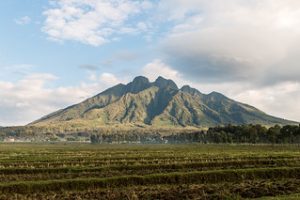 Mount Bisoke, standing at 3,711 meters (12,175 feet), is a dormant volcano located on the border with the Democratic Republic of Congo. It boasts a massive crater lake at its peak, measuring about 400 meters in diameter which is entirely within Rwanda. This hike is the most popular in Volcanoes National Park as many hikers aim to reach this beautiful crater lake.
Mount Bisoke is centrally located in the Virunga Mountains, offering stunning views of the entire range including the sharp peak of Mount Mikeno in Congo. Along the hike, you might even see gorillas and golden monkeys. The hike is challenging to difficult, but it can be done by non-experienced hikers with good fitness. The round trip takes about six hours with four hours to climb up and two hours to descend.
Lake Ngezi Trail on Mount Bisoke
Lake Ngezi is another beautiful crater lake on the side of Mount Bisoke adjacent to Mount Gahinga. This hike is relatively easier compared to the peak trek and is a great alternative. The round trip is about four to five hours depending on your fitness levels.
Mount Karisimbi 2-Day Trail
Mount Karisimbi at 4,507 meters (14,787 feet) is the highest volcano in the Virunga range and the fifth-highest mountain in Africa. Interestingly, it receives snow during some months of the year despite being near the equator. For seasoned hikers looking for a longer and more challenging hike, Mount Karisimbi is the best choice in Volcanoes National Park. Unlike the other volcanoes, this hike is a two-day adventure with one night of camping at an elevation of 3,700 meters (12,139 feet).
Mount Muhavura
Mount Muhavura, standing at 4,127 meters (13,540 feet) is shared between Rwanda and Uganda. It is located at the end or start of the volcano chain, offering wonderful views of the mountainous landscape. From its peak you can see the twin lakes Burera and Ruhondo below. There is also a beautiful crater lake at the summit. The round trip is about six to eight hours, requiring good fitness and endurance due to its height.
Mount Gahinga
Mount Gahinga at 3,474 meters (11,398 feet) is the shortest mountain in Volcanoes National Park. It is the least hiked in the park, making it a good starting point for non-seasoned hikers before attempting more challenging mountains in the range.
Dian Fossey Tomb Trail
The Dian Fossey trail is located in the valley between Mount Bisoke and Mount Karisimbi. It starts from the base of Mount Bisoke and leads to the burial place and Karisoke research station of the famous researcher Dian Fossey. Fossey dedicated her life to studying and protecting mountain gorillas and their habitats in Rwanda and neighboring countries. This trail offers a beautiful trek with wonderful views of the mountains and special vegetation like orchids. There is also a chance to encounter mountain gorillas. The hike is less strenuous, and the round trip takes about three to four hours.
Nyungwe National Park
Nyungwe National Park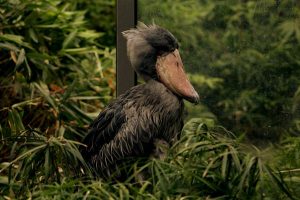 is located in southwestern Rwanda. It is a dream destination for hikers and trekkers. The park boasts a network of trails designed to provide a superior nature-centric experience. Guided walks range from one to seven hours, depending on your fitness level and interest in exploring the park’s beauty.
For beginners, the 2.1-kilometer Igishigishigi Trail offers incredible views of the Canopy Trail. The Karamba Trail allows visitors to see a former goldmine, army camp and market while the Muzimu Trail winds through remote eucalyptus and pine forests.
Advanced Hiking Trails
Experienced hikers can enjoy birdwatching along the Uwinka Trail’s ravines or explore the four waterfalls on the Imbaranga Trail which is less than 10 kilometers long. The Congo-Nile Divide Trail is a more advanced option which spans 227 kilometers and takes several days to complete following the Nile and Congo rivers.
Moderate Trails
Several moderately difficult trails cater to a wide range of guests. The Umgote Trail offers a plethora of avian fauna and primates amid rainforests and mountain ridges dotted with flowers. On clear days, hikers can see Kibira National Park in Burundi. The Umoyove Trail is perfect for waterfall lovers while the Isumo Trail winds through tea fields and rainforest ravines. The Kamiranzovu Trail takes visitors to the park’s wetlands including a swamp and a waterfall.
Geological Trails
Nyungwe National Park’s volcanic geology is showcased along the Bigugu Trail and Irebero Trail, which encircle two of the highest peaks and offer impeccable views of Lake Kivu. For those wanting a longer trek, the Ngabwe Trail features two paths to the summit and an overnight camping option. The Ruzuki Trail, known for its chimpanzee sightings offers an exhilarating hike with great views of Banda Village.
Rwanda’s diverse trails offer something for everyone. Whether you’re looking to study delicate details of flora, breathe in high mountain air, witness wildlife in pristine settings or be awed by unparalleled views. Rwanda is a hiking and trekking paradise where you can immerse yourself in natural beauty and create unforgettable memories.
Best Time for Hiking in Rwanda
You can hike in Rwanda during both the dry and wet seasons. The dry seasons from June to August and December to February have less rainfall and more sunshine. This is the best time to hike because the trails are dry and easier to climb.
The wet seasons are from March to May and September to November. During these months, there is frequent rain making the trails very muddy and the hike more difficult. However, the scenery is beautiful during the wet season, and it can be a great time to hike if you are ready for a more challenging adventure.
What to Prepare for the Hike
- Hiking shoes: Sturdy shoes are essential for navigating rough and muddy trails.
- Long pants and long-sleeved shirt: These protect you from stinging nettles and other vegetation.
- Rain jacket/poncho: Important for staying dry during unexpected showers.
- Gaiters: These helps keep mud and water out of your shoes.
- Garden gloves: Useful for gripping and protecting your hands while hiking.
- Camping equipment: For those hiking Mount Karisimbi, you’ll need a tent, sleeping bag, and sleeping mat for the overnight stay.
With the right preparation, hiking in Rwanda’s volcanoes can be a rewarding experience any time of the year.
Book Now